

Sourdough, explained
What sourdough actually is.
Not a flavor. Not a shape. Sourdough is a method — the oldest way of making bread rise, and the only one that improves the grain instead of just inflating it.
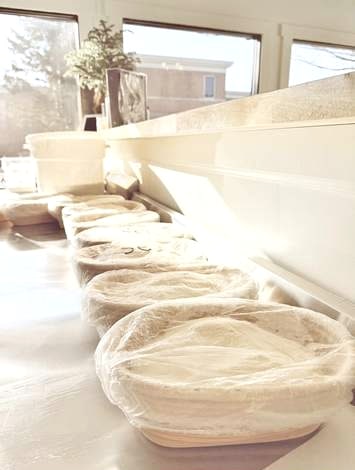
Every loaf we bake begins with a starter: a living culture of wild yeast and lactic-acid bacteria that we keep alive with nothing but organic flour and filtered water, fed daily. Ours is the same culture we began with, and it has never been replaced.
When we mix that starter into dough, the yeast produces the gas that makes bread rise — slowly, over many hours. Meanwhile the bacteria produce lactic and acetic acids, which is where the gentle sour comes from and where the health benefits begin. Those acids and enzymes break down gluten, unlock minerals bound up in phytate, and consume much of the fermentable sugar that causes bloating.
Commercial bread skips all of this. Instant yeast inflates dough in about an hour, and everything the long fermentation would have done for free has to be replaced with additives — or simply left undone.
What the long ferment does
Three things happen while you wait.
- Easier to digest
- The low pH and long fermentation break down gluten, carbohydrates and proteins before you take a bite. A lot of people who avoid bread find they’re fine with ours.
- Fewer FODMAPs
- Long fermentation consumes much of the fermentable sugar that causes bloating — one of the clearest measurable differences between real sourdough and everything else.
- Minerals you absorb
- Wheat locks up iron, zinc and magnesium in phytate. Fermentation breaks that complex apart so the minerals in the grain reach you instead of passing through.